


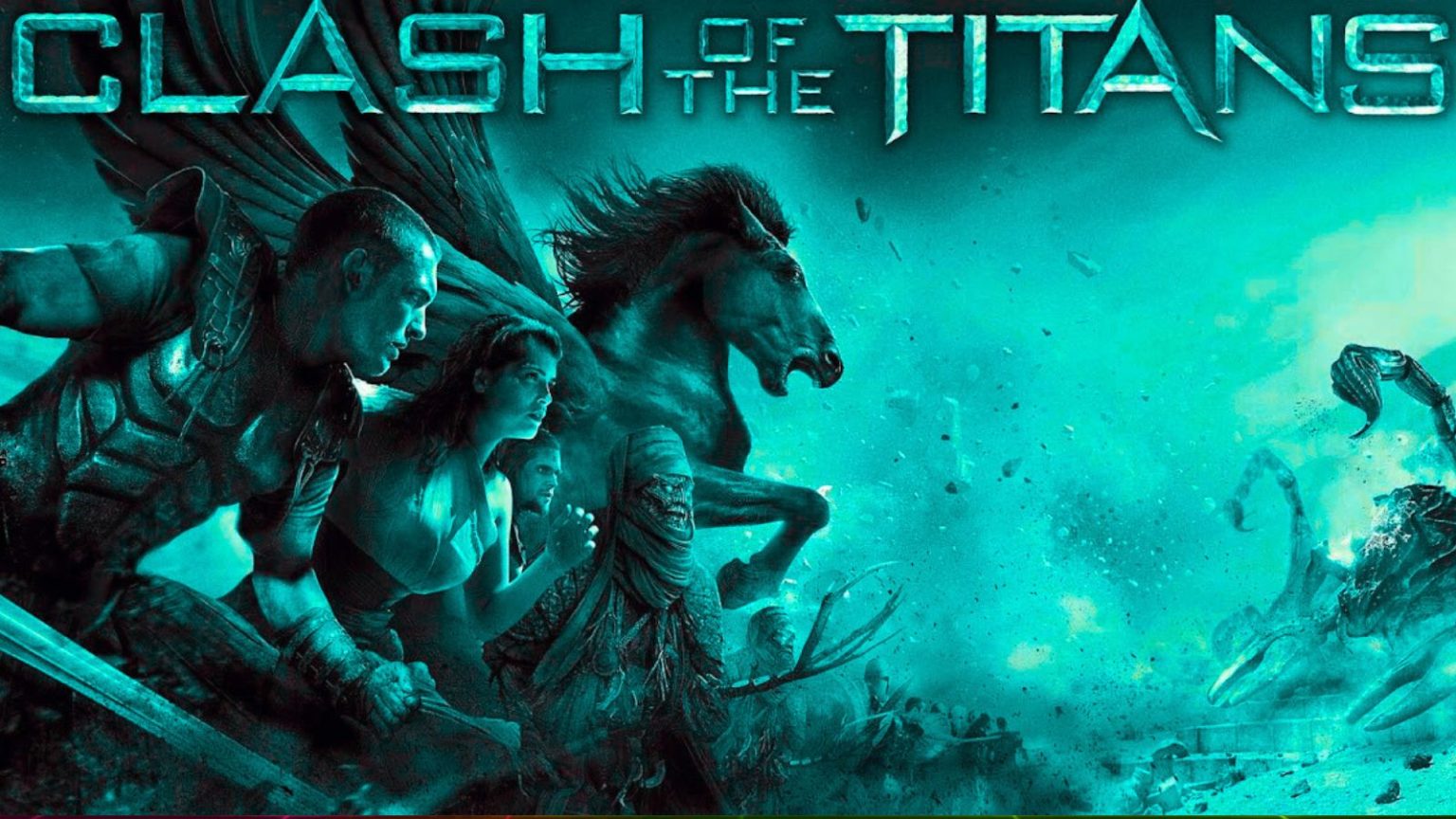
The mythological world of Greek legends returned to the big screen with Clash of the Titans 2, officially titled Wrath of the Titans (2012), a sequel to the 2010 blockbuster Clash of the Titans. This high-octane fantasy adventure film continues the journey of Perseus, the demigod son of Zeus, as he embarks on a perilous quest to save not just his father but also the world from annihilation. Directed by Jonathan Liebesman, the film delivers an explosive mix of action, myth, and visual spectacle while exploring the complex relationships between gods, men, and monsters.
- The Story Continues: A World in Turmoil
Set ten years after the events of the first film, Clash of the Titans 2 finds Perseus (played by Sam Worthington) living a peaceful life as a fisherman with his young son, Helius. After defeating the monstrous Kraken, Perseus has chosen a quiet existence away from the chaos of the gods and their wars. However, peace is short-lived.
The gods are losing their power as humanity has stopped worshipping them. Temples crumble, faith fades, and the divine order begins to collapse. This loss of devotion weakens the gods, diminishing their control over the ancient prison of Tartarus, where the Titans—the primordial beings who once ruled the cosmos—have been imprisoned.
Amid this weakening of divine power, a sinister betrayal brews. Perseus’ half-brother, Ares (the god of war), joins forces with Hades (the god of the underworld) to overthrow their father Zeus (played by Liam Neeson). The two capture Zeus and siphon his divine energy to awaken Kronos, the father of the gods and the most powerful Titan of all.
Realizing the magnitude of the threat, Perseus must once again rise from his mortal life to face destiny. His mission: descend into the underworld, rescue Zeus, and prevent the Titans from destroying both gods and mankind.
- A Descent into the Underworld
Perseus’ journey in Clash of the Titans 2 is both physical and symbolic—a return to his roots as a demigod and a confrontation with his divine lineage. He is joined by a band of unlikely heroes, including:
- Andromeda (Rosamund Pike), now a warrior queen and leader of humanity’s remaining army.
- Agenor (Toby Kebbell), the mischievous son of Poseidon, who adds humor and unpredictability to the group.
- Hephaestus (Bill Nighy), the eccentric god of the forge, who once crafted the weapons of the gods and now lives in exile.
Their journey leads them into the treacherous labyrinth of Tartarus—a shifting maze of stone and fire, guarded by terrifying beasts and haunted by the cries of fallen souls. The underworld setting provides some of the film’s most visually stunning sequences, with massive landscapes, mythological monsters, and epic battle scenes.
- The Rise of Kronos: The Ultimate Titan
At the heart of Clash of the Titans 2 lies the awakening of Kronos, the father of Zeus, Poseidon, and Hades. Imprisoned eons ago during the Titanomachy (the war between Titans and Olympians), Kronos represents raw elemental chaos—lava, destruction, and eternal rage.
As Zeus’ powers drain into Kronos, the Titan begins to emerge from the depths of Tartarus in a cataclysmic eruption. His awakening threatens to obliterate the world, turning mountains into ash and oceans into fire. The special effects that bring Kronos to life are a highlight of the film, combining digital artistry with mythic scale to portray a being of unimaginable power.
- Themes of Family, Power, and Faith
While Clash of the Titans 2 delivers plenty of action, its emotional core lies in the family dynamics among the gods. Zeus, Hades, Poseidon, Ares, and Perseus are all bound by blood, yet divided by pride, betrayal, and resentment.
- Zeus embodies compassion and leadership, desperate to restore harmony among his sons.
- Hades seeks redemption for his earlier treachery but finds himself torn between revenge and forgiveness.
- Ares, consumed by anger and jealousy, becomes a tragic figure—craving his father’s love yet destroying him to gain power.
- Perseus must accept his divine heritage and embrace his role as the bridge between gods and men.
The film also explores the fading belief in gods, mirroring real-world themes of faith, disillusionment, and the search for meaning in a changing world. As humans turn away from the divine, the gods themselves weaken—a metaphor for the interdependence of belief and power.
- The Final Battle: Perseus vs. the Titans
The climax of Clash of the Titans 2 is a full-scale mythological war. Perseus confronts Ares in a brutal battle fueled by vengeance and destiny. With Zeus gravely weakened and Poseidon fallen, the survival of both gods and humans depends on Perseus’ courage.
Using the combined weapons of the gods—including Zeus’ thunderbolt, Poseidon’s trident, and Hades’ pitchfork—Perseus forges the Trident of Olympus, a weapon capable of defeating Kronos.
In a spectacular showdown, Perseus soars into the skies on Pegasus, racing against time as Kronos unleashes rivers of molten fire. With one final, thunderous strike, Perseus channels the power of the gods through the trident, destroying Kronos in a massive explosion of light and flame.
The aftermath leaves Zeus dying but reconciled with Hades, as the two brothers finally make peace. Perseus, having completed his destiny, chooses once again to live as a man, raising his son Helius to live freely in a world no longer bound by the rule of gods.
- Visuals and Cinematic Craftsmanship
Director Jonathan Liebesman brings a darker, more mature tone to Clash of the Titans 2, with improved CGI and better storytelling rhythm compared to its predecessor. The film’s 3D visuals and large-scale battle sequences are visually impressive, particularly the scenes featuring the Chimera, the Cyclopes, and the Minotaur-like guardians of Tartarus.
The cinematography captures the grandeur of Greek mythology while giving it a gritty, modern aesthetic. The production design blends mythic fantasy with realism, creating an immersive experience that feels both ancient and timeless.
- Cast and Performances
- Sam Worthington reprises his role as Perseus with a more human and reflective portrayal, balancing heroism with humility.
- Liam Neeson brings gravitas to Zeus, portraying him as both a warrior and a father torn by divine politics.
- Ralph Fiennes delivers a complex and conflicted Hades, one of the film’s most nuanced characters.
- Rosamund Pike shines as Andromeda, embodying strength and leadership in a male-dominated mythos.
Together, the ensemble brings emotional depth to a story that could have easily been just another action spectacle.
- Critical Reception and Legacy
Upon release, Wrath of the Titans received mixed reviews from critics but performed well at the box office, earning over $300 million worldwide. Many praised the improved pacing, action, and visual effects compared to the first film, though some critics felt it still fell short of its mythological potential.
Despite the criticism, the film succeeded in reigniting interest in Greek mythology within modern cinema. It remains a favorite among fans of fantasy epics for its combination of heroism, divine conflict, and mythic spectacle.
- Conclusion
Clash of the Titans 2 is more than just a sequel—it’s a story about legacy, belief, and the struggle between humanity and divinity. Through Perseus’ journey, the film reminds viewers that true heroism lies not in power or immortality, but in courage, humility, and love.