


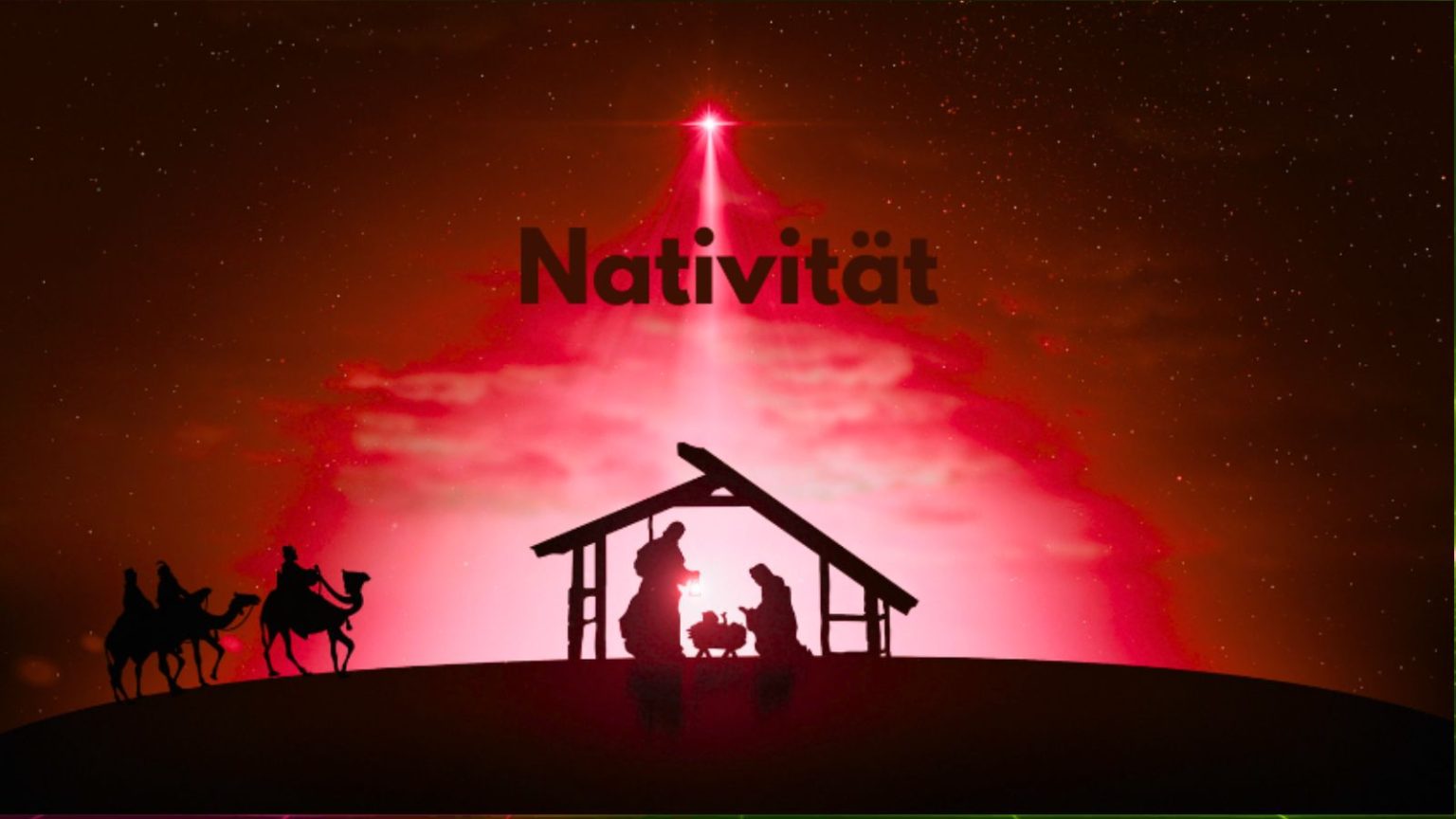
The word “Nativität” carries with it a profound depth of meaning. Derived from the Latin term “nativitas,” which translates to “birth” or “origin,” it is more than just a linguistic expression — it represents the essence of beginnings, creation, and existence itself. Most commonly used in German-speaking contexts, Nativität refers to birth, particularly one of significance — whether religious, historical, or metaphorical.
From theology and art to astrology and philosophy, Nativität has found a place in various disciplines. Each use of the term reflects humanity’s fascination with the mystery of origin — the moment when something new enters the world. This article explores the multifaceted meanings of Nativität, its cultural and religious significance, and how it continues to shape our understanding of life, creativity, and identity.
Etymology and Linguistic Roots
The term Nativität comes from the Latin word “nativitas”, which directly translates to birth or coming into being. The root “natus” (meaning “born”) forms the basis of several words across languages, such as nativity, native, and nature.
In German, Nativität maintains its classical resonance, often appearing in academic, religious, or artistic discussions. While in English, “Nativity” is commonly associated with the birth of Jesus Christ, the German Nativität has broader applications — it can refer to any significant birth or origin, both literal and symbolic.
Thus, linguistically, Nativität bridges the tangible and the spiritual — connecting human life’s biological beginnings to larger ideas of creation, origin, and destiny.
Nativität in Religion and Theology
In religious contexts, Nativität most often refers to the Nativity of Christ, one of the most celebrated events in Christian theology. The Nativität Christi (Birth of Christ) symbolizes divine incarnation — the moment when the divine entered the human realm.
- The Nativity of Christ
The Nativität Christi is not merely a commemoration of birth but a profound symbol of hope, renewal, and salvation. It marks the foundation of Christianity’s message: the arrival of divine light in a world of darkness.
In German religious art and literature, Nativität has been depicted with reverence for centuries — from medieval altarpieces and hymns to Baroque nativity scenes. Artists like Albrecht Dürer and Lucas Cranach the Elder captured the humble yet miraculous moment of Christ’s birth, emphasizing themes of purity, peace, and divine grace.
- Broader Religious Usage
Outside Christianity, Nativität can refer to sacred births in other traditions — the origin of spiritual figures or cosmic beginnings in mythologies. Whether it’s the birth of Buddha, Krishna, or symbolic rebirths in pagan and esoteric traditions, Nativität encapsulates the eternal cycle of life, death, and regeneration.
Nativität in Art and Iconography
Throughout history, Nativität has inspired countless works of art, particularly in European culture. The Nativity scene, or Krippendarstellung, became a cornerstone of Christian iconography, symbolizing faith and divine love through humble imagery.
- Artistic Representations
From the Renaissance to the Romantic period, artists have interpreted Nativität as a blend of the human and the divine. Paintings like “The Adoration of the Shepherds” or “The Birth of the Virgin” express not just historical events but the spiritual weight of birth as a divine act of creation.
German artists often infused Nativität with cultural identity, embedding local landscapes, architecture, and attire into sacred scenes — making the universal theme of birth feel intimately personal.
- Symbolism in Art
In artistic symbolism, Nativität represents more than a physical birth. It symbolizes new beginnings, illumination, and creative energy. The light surrounding the infant Jesus, for example, symbolizes divine revelation and enlightenment. Similarly, the star guiding the Magi reflects universal guidance — the idea that every birth carries cosmic significance.
Nativität in Astrology
In the realm of astrology, Nativität takes on another layer of meaning. Here, it refers to the birth chart or natal chart — a map of the heavens at the exact time of one’s birth.
This Nativitätshoroskop (nativity horoscope) is believed to reveal an individual’s character, potential, and destiny. Each planet, star, and celestial alignment represents a facet of personality or fate.
Astrologers in both ancient and modern times have considered Nativität as the key to understanding one’s purpose in the cosmic order. It reflects the timeless human desire to link the moment of birth with the structure of the universe, suggesting that our origins are written not just in biology but in the stars themselves.
Nativität in Philosophy and Literature
Philosophers and writers have long used Nativität as a metaphor for creation, identity, and transformation. It stands not only for physical birth but also for intellectual or spiritual awakening — the birth of ideas, consciousness, or moral awareness.
- Birth as Metaphor
In existential philosophy, Nativität can symbolize the beginning of self-awareness — the point at which a person recognizes their existence and individuality. It also echoes the concept of rebirth, central to many philosophical and spiritual traditions, representing renewal after periods of struggle or transformation.
- Literary Interpretations
Writers often employ Nativität to explore themes of origin and destiny. From Goethe’s reflections on nature’s creative force to Rilke’s poetic visions of spiritual rebirth, the concept of Nativität threads through German literature as a reminder that every beginning carries both mystery and meaning.
Nativität as a Cultural Symbol
Beyond religion and philosophy, Nativität remains a universal symbol of hope, continuity, and creation. It reminds societies of their roots, of the power of beginnings, and of the perpetual renewal that sustains life and culture.
- In Modern Contexts
Today, Nativität appears in discussions about national identity, cultural heritage, and personal growth. It can describe the birth of a movement, the origin of an idea, or the founding of a nation. Each context adapts the term to fit its own understanding of “beginning.”
- Emotional and Psychological Resonance
Psychologically, the concept of Nativität ties deeply to human emotion — our innate fascination with origins and new beginnings. Birth, in any form, represents both vulnerability and potential. It marks the start of journeys that shape identity, creativity, and purpose.
The Timeless Relevance of Nativität
The enduring appeal of Nativität lies in its universality. Across languages and cultures, the notion of “birth” resonates as a symbol of hope, transformation, and renewal. In an age marked by constant change and reinvention, Nativität invites us to remember the power of beginnings — whether it’s the birth of a person, an idea, or a movement.
It teaches that every start, however humble, carries infinite potential. Just as the birth of Christ symbolizes divine love, and the birth of a star signifies cosmic wonder, Nativität reminds us that life itself is an act of creation — a miracle repeated every moment something new is born.
Conclusion
The word Nativität is far more than a translation of “birth.” It is a philosophy of origin, a symbol of creation, and a reminder of continuity. From sacred scriptures and artistic masterpieces to astrological charts and philosophical reflections, Nativität captures the universal story of beginning — the timeless miracle of coming into being.