



Introduction
A visit to a historical place is one of the most interesting topics in school essays. Almost every student in Pakistan has visited a fort, a mosque, a museum or an old tomb, and examiners love this topic because it tests both memory and observation. A good essay on a historical place does not just list facts from a history book. It describes what you saw, what you felt, and what you learned from the visit.
In this post, you will find a simple outline, a complete model essay on a visit to the Lahore Fort, ten lines on the topic, and easy tips to write your own essay and score full marks.
Outline of the Essay
- Introduction — why historical places are worth visiting
- When and with whom I visited the place
- The history of the place in a few lines
- What I saw there — the buildings, the gardens, the museum
- What I learned from the visit
- Conclusion — why everyone should visit historical places
A Visit to a Historical Place — Model Essay
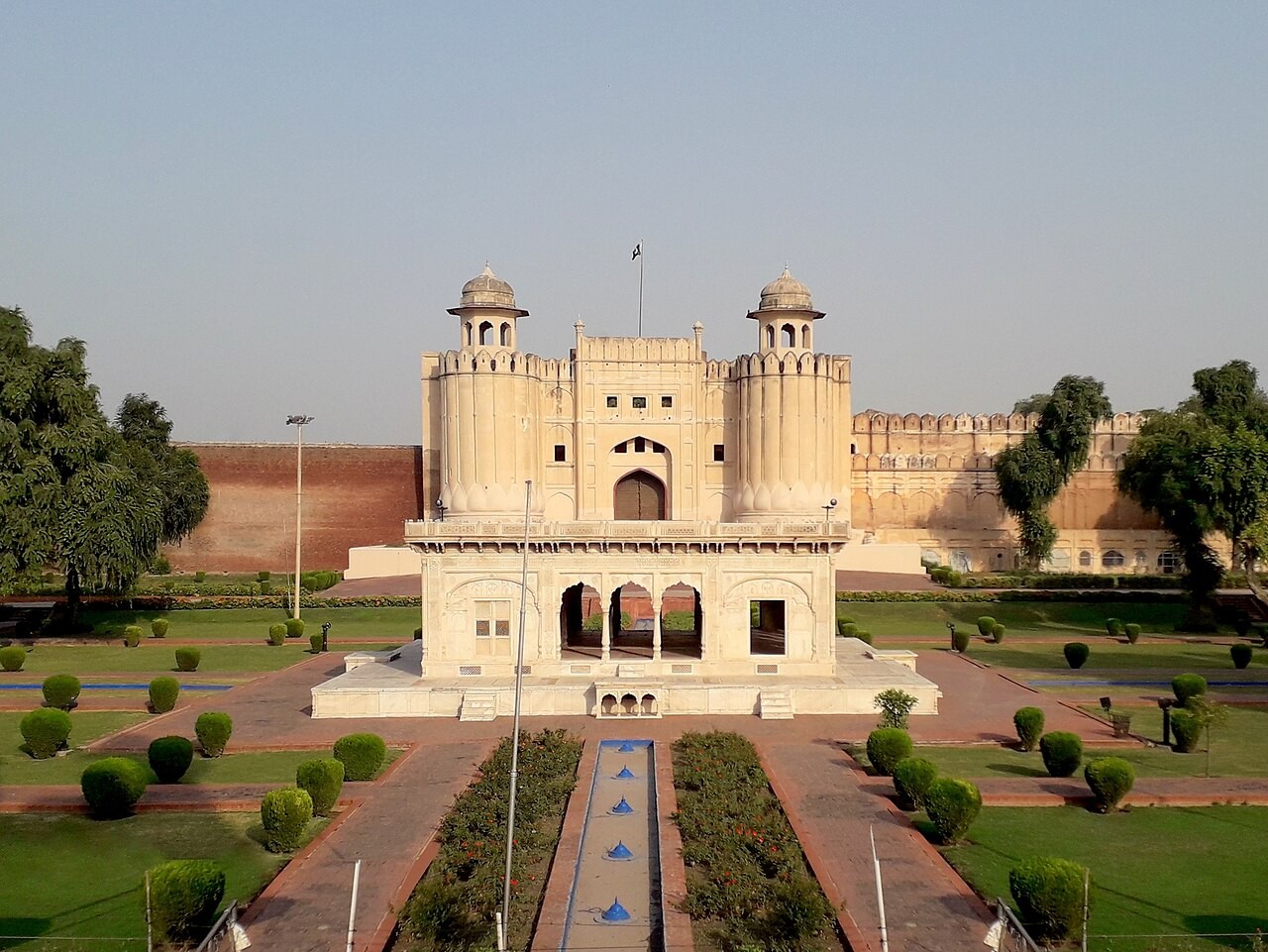
Last winter, our school arranged an educational trip to Lahore, and the place I remember best is the Lahore Fort, also called the Shahi Qila. We left early in the morning by bus. Our teachers, along with forty students of class 8, were part of the trip. The excitement on the bus was hard to describe. Everyone was talking about the fort, the Badshahi Mosque next to it, and the old city of Lahore.
The Lahore Fort is one of the most famous historical places in Pakistan. It was built and rebuilt by the Mughal emperors, and Emperor Akbar laid its foundations in the sixteenth century. Later emperors, especially Shah Jahan, added beautiful palaces, halls and gardens to it. The fort has seen kings, queens, soldiers and artists, and today it stands as a reminder of the glory of the Mughal Empire.
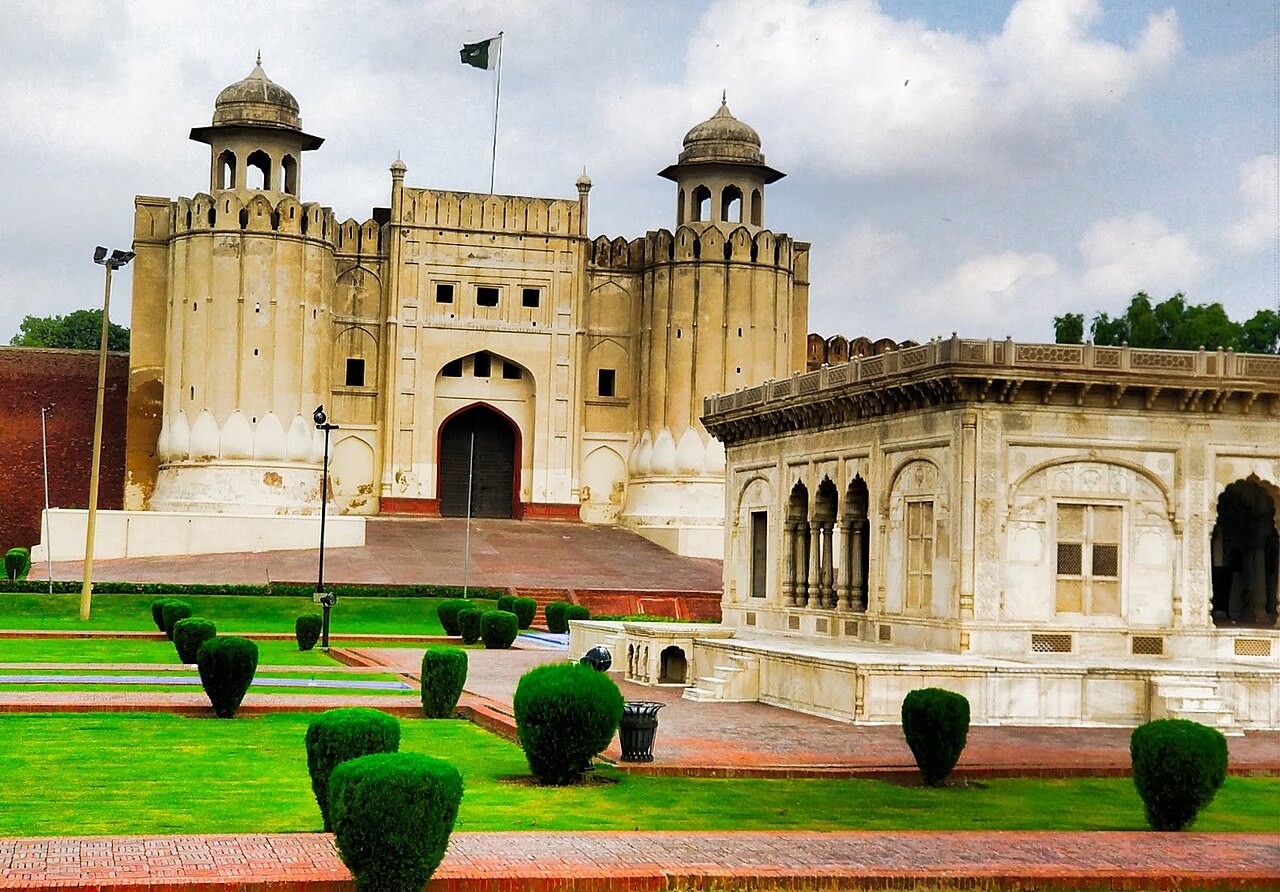
As we entered through the huge Alamgiri Gate, I felt as if I had stepped into another world. The walls of the fort are high and strong, made of red sandstone and brick. Inside, the first thing that caught my eye was the wide courtyard and the long, covered halls with carved pillars. Our guide told us that these halls were once used for royal meetings and court ceremonies.
Then we visited the Sheesh Mahal, the Palace of Mirrors. Its walls and ceilings are decorated with thousands of small pieces of glass that shine like stars when light falls on them. I had read about it in books, but seeing it with my own eyes was a different experience altogether. The guide said that the queens of the Mughal court once sat here on moonlit nights and watched the mirrors sparkle.
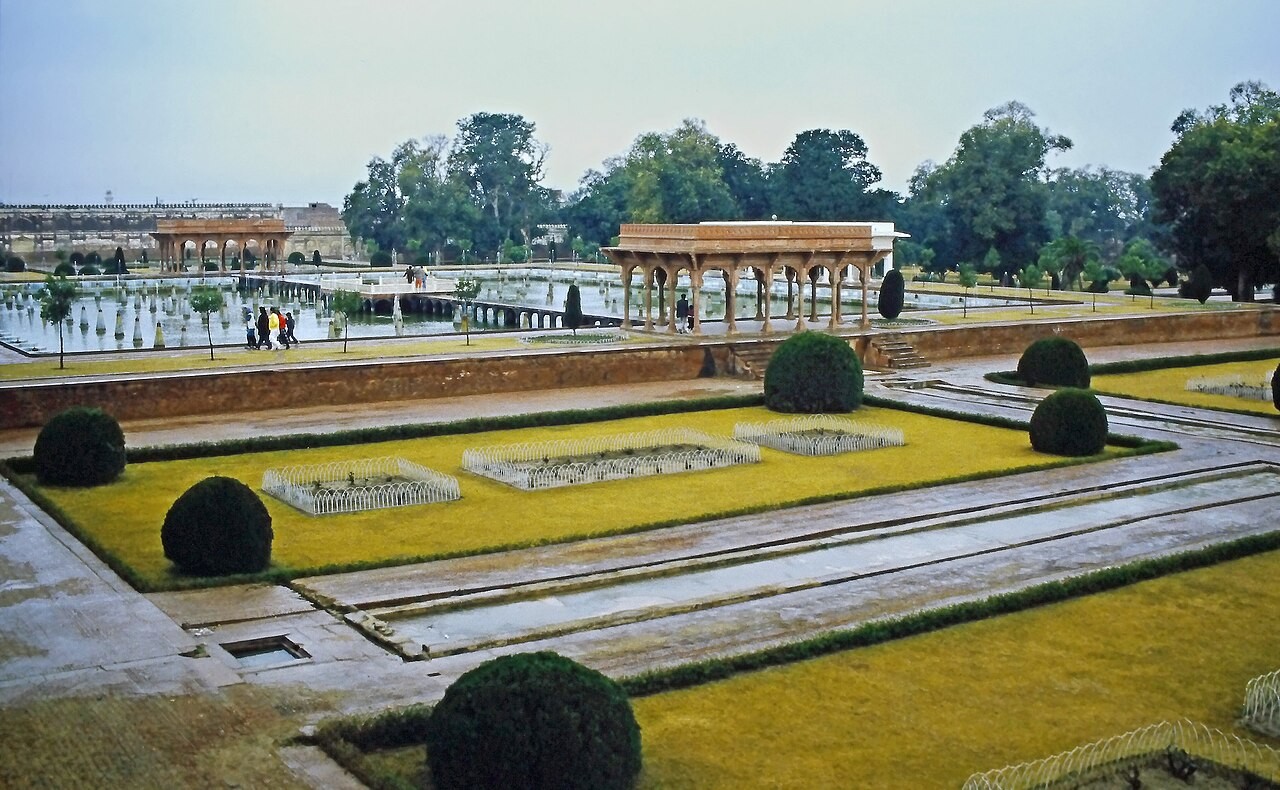
We also walked through the beautiful gardens inside the fort, where fountains and green lawns made the place peaceful and cool. The guide pointed out the old mosque inside the fort and the royal baths, the Shahi Hammam, with their painted tiles and domed roofs. Every corner of the fort had a story, and every story taught us something about the people who lived there centuries ago.
The most interesting part of the visit was the small museum inside the fort. It has old coins, swords, shields, paintings and clothes of the Mughal period. Looking at a sword used by a king four hundred years ago, I felt the history of my country come alive. It was no longer just a chapter in my textbook.
We stayed in the fort for almost three hours. Before leaving, we stood on the fort wall and looked at the Badshahi Mosque and the Minar-e-Pakistan in the distance. The whole city of Lahore seemed to spread out below us. Our teachers took group photographs, and we bought small souvenirs from the shops outside the gate.
On the way back, everyone on the bus was tired but happy. We had not just enjoyed a picnic. We had walked through the history of Pakistan and seen with our own eyes what our ancestors had built. The visit taught me that historical places are not dead stones. They are living lessons about our past, our culture and our identity.
10 Lines on A Visit to a Historical Place
- Last winter, I visited the Lahore Fort with my school on an educational trip.
- The Lahore Fort is one of the most famous historical places in Pakistan.
- It was built by the Mughal emperors, and Emperor Akbar laid its foundations.
- The fort is made of red sandstone and has high, strong walls.
- The Sheesh Mahal, the Palace of Mirrors, is the most beautiful part of the fort.
- I saw old halls, royal baths, gardens, a mosque and a small museum inside the fort.
- The museum has old coins, swords, paintings and clothes of the Mughal period.
- From the fort wall, I saw the Badshahi Mosque and the Minar-e-Pakistan.
- The visit taught me about the history, culture and glory of my country.
- Every student should visit historical places to learn about their past.
Tips to Write a Good Essay on This Topic
Choose one place and stick to it. Do not try to describe five places in one essay. Pick the place you know best — the Lahore Fort, the Badshahi Mosque, Mohenjo-daro, Taxila, Rohtas Fort or your local museum — and describe it well.
Start with the visit, not with history. Begin by telling the reader when you went, with whom, and how you felt. The history of the place should come after that, in a few short lines.
Use your own observations. Write what you actually saw: the colour of the walls, the sound of the fountains, the shine of the mirrors in the Sheesh Mahal. Examiners give more marks to real details than to copied paragraphs from a book.
Keep your sentences short and clear. Long, confusing sentences lose marks. One idea in one sentence is the safest rule for class 5 to 10 essays.
End with what you learned. A good conclusion is not a repetition of the introduction. Tell the reader what the visit taught you and why historical places matter.
Learn the outline by heart. If you remember the six points of the outline given above, you can write this essay on any historical place, even if you change the name of the place and a few details.
FAQs
What is the best historical place to write about in Pakistan?
The Lahore Fort is a good choice because most students know it, and it has many features to describe — the Alamgiri Gate, the Sheesh Mahal, the gardens and the museum. Other good choices are the Badshahi Mosque, Mohenjo-daro, Taxila and Rohtas Fort.
How long should this essay be for class 8?
About 250 to 350 words is enough for a class 8 essay. The model essay above is longer because it is written for all classes from 5 to 10, so you can shorten it for your own paper.
How do I start an essay on a visit to a historical place?
Start with your own visit — when you went, with whom, and how you felt. For example: “Last winter, our school arranged a trip to Lahore, and the place I remember best is the Lahore Fort.”
What should I write in the conclusion?
Write what you learned from the visit and why historical places should be protected. One or two sentences are enough.
Read next
- My School Essay in English for Class 5, 6, 7, 8, 9 & 10
- My Favourite Season Essay in English for Class 5, 6, 7, 8, 9 & 10
- My Daily Routine Essay in English for Class 5, 6, 7, 8, 9 & 10
- How to Write an Essay: A Step-by-Step Guide
- Assignment Writing Service: Expert Help With Your Assignments, On Time
- Our Services
- Essay Writing Guide

