

In today’s hyperconnected world, where ideas travel at lightning speed through social media, blogs, and online communities, certain words or phrases occasionally capture the public’s attention in mysterious ways. One such intriguing term is Onnilaina. Though it is not a widely recognized term in global discourse, its unusual construction and mysterious appearance have made it the subject of curiosity, speculation, and even creative interpretation.
So, what exactly is Onnilaina? Where does it come from, and why does it inspire so much intrigue? In this article, we’ll dive into the possible meanings, origins, and the cultural implications of this enigmatic word that seems to bridge the gap between the digital and conceptual worlds.
The Curiosity Behind Onnilaina
The term Onnilaina stands out not only for its linguistic peculiarity but also for the mystery that surrounds it. It doesn’t belong clearly to any known brand, cultural movement, or established online trend. Yet, when people encounter it—often in forums, social media posts, or obscure corners of the internet—it evokes curiosity.
The word itself feels like a blend of modernity and abstraction, carrying the tone of something that could either represent a concept, a brand name, or even a philosophical idea. This ambiguity is precisely what makes Onnilaina so fascinating—it seems to invite interpretation rather than provide answers.
Possible Origins of the Word “Onnilaina”
While there is no universally accepted definition, several theories have emerged about where “Onnilaina” might come from and what it could mean.
- Linguistic Roots and Etymology
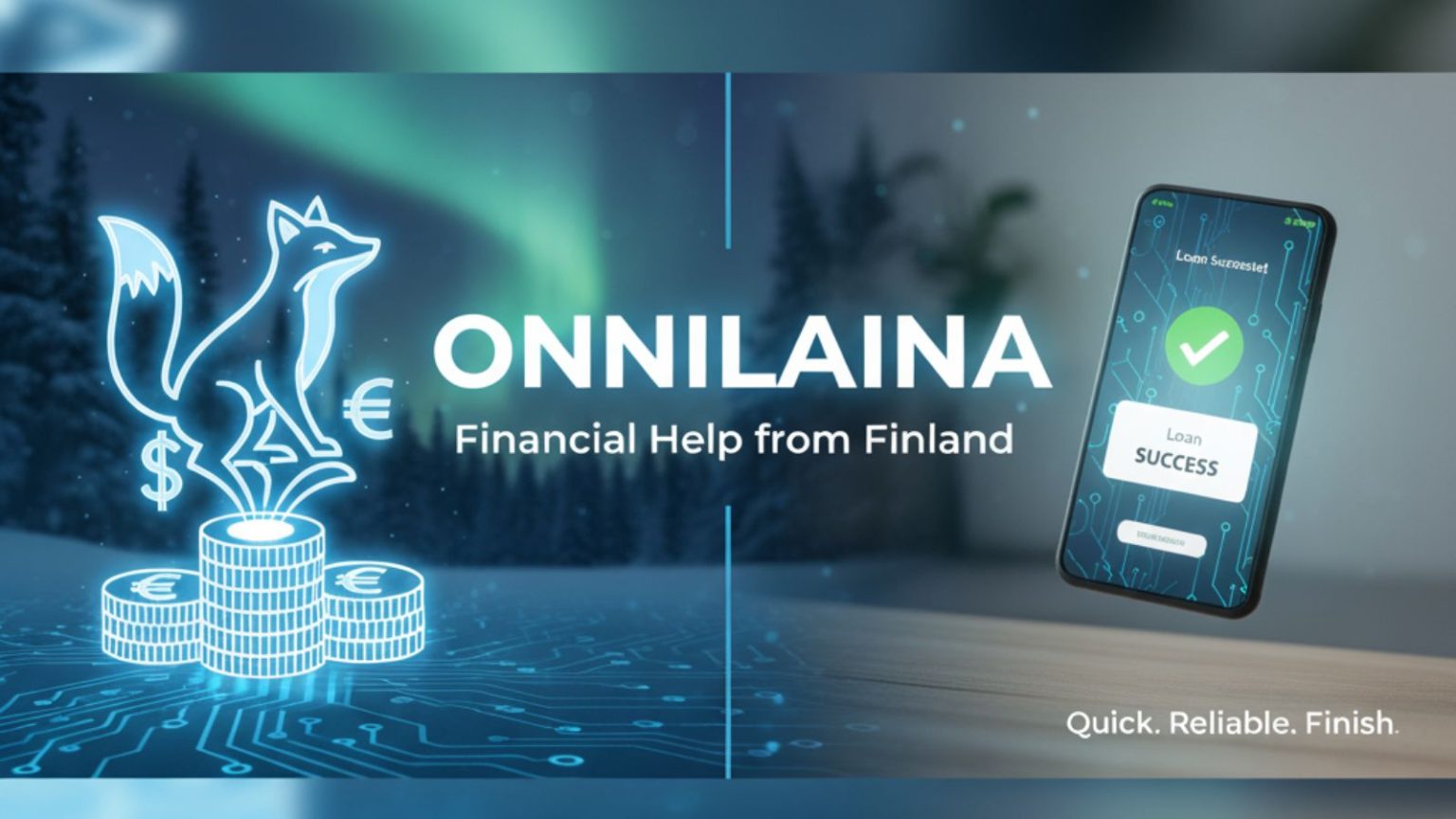
At first glance, the term Onnilaina appears to have Finnish linguistic origins. In Finnish, onni means “luck” or “happiness,” and laina translates to “loan.” When combined, Onnilaina could mean “lucky loan” or “loan of happiness.”
If we take this interpretation, Onnilaina might refer to something related to financial lending services, microcredit platforms, or digital banking concepts originating in Finland or inspired by Finnish language aesthetics. In fact, several small-scale digital financial projects in Nordic countries have adopted similar compound naming conventions.
- Conceptual or Abstract Interpretation
Beyond linguistics, some believe Onnilaina may not have a literal translation at all but instead represents an abstract or philosophical idea—a metaphor for “exchanging happiness” or “borrowing positivity.”
In this sense, Onnilaina could be seen as a symbol of emotional exchange—a term reflecting how people “borrow” joy or inspiration from others in the digital age.
- The Digital Myth Theory
Another possibility is that Onnilaina is an internet-created term, one that emerged organically as part of online discourse, memes, or virtual culture. Similar to viral terms like “Yeet,” “Zillenial,” or “metanoia,” it might have begun as a spontaneous invention that gradually found a niche audience fascinated by its sound and mystery.
Onnilaina in Digital Culture
Even though Onnilaina may not have a concrete meaning, its rise in online discussions reflects the power of digital culture to give life to seemingly random ideas. The term has occasionally surfaced in:
- Art and design communities, where it’s used as an aesthetic label or fictional brand name.
- Philosophical discussions, where users debate what a “loan of happiness” might signify.
- Social media posts, where it sometimes appears as a poetic or whimsical word attached to images of peace, hope, or abstract beauty.
This shows how Onnilaina has evolved into a digital phenomenon of interpretation, where users project their own meanings onto it—transforming a single, undefined word into a mirror for collective imagination.
Possible Real-World Associations
While no official organization or company directly owns the name Onnilaina (as of this writing), it could easily lend itself to a range of applications in both commercial and creative contexts.
- Financial and Tech Sectors
Given its Finnish linguistic roots, Onnilaina could be used as a brand name for a fintech company specializing in ethical loans, community lending, or microfinance. The name carries a positive connotation—combining “luck” and “loan”—making it appealing for businesses promoting empowerment and financial inclusion.
- Art, Culture, and Philosophy
In creative and cultural circles, Onnilaina might represent a philosophical or emotional concept—perhaps the idea that happiness and goodwill can be shared, borrowed, or passed on.
Artists and writers might use it metaphorically:
“To give someone Onnilaina is to lend them a spark of your joy.”
- Online Identity and Branding
Because of its unique sound and rarity, Onnilaina also has potential as a digital identity—a username, brand, or concept name that stands out in a crowded internet space.
Why People Are Drawn to Words Like Onnilaina?
The fascination with Onnilaina reflects a broader human curiosity toward language, mystery, and meaning. In the age of search engines and instant answers, encountering a word that defies easy definition feels refreshing.
It reminds us that language is not static—it evolves, adapts, and sometimes surprises us. Words like Onnilaina highlight how modern culture thrives on ambiguity and creativity. Whether it’s a concept, a feeling, or a name, it draws people into the act of interpretation and imagination.
Cultural Implications: Language as a Living Force
The Onnilaina phenomenon demonstrates how digital culture and linguistics are merging. Online spaces have become laboratories for linguistic experimentation, where words evolve beyond borders and conventional meaning.
This cultural evolution mirrors how memes, slang, and invented terms can shape collective identity. What starts as an obscure term might someday evolve into a recognized cultural reference. If Onnilaina continues to circulate, it could become part of this expanding digital lexicon—joining a long list of words that began as curiosities but ended up defining moments in internet culture.
Conclusion
In essence, Onnilaina is more than just a strange or foreign word—it’s a symbol of our modern relationship with language, culture, and imagination. Whether it means a “lucky loan,” a “shared happiness,” or simply a fascinating linguistic puzzle, its allure lies in its mystery and openness to interpretation.Top of Form