



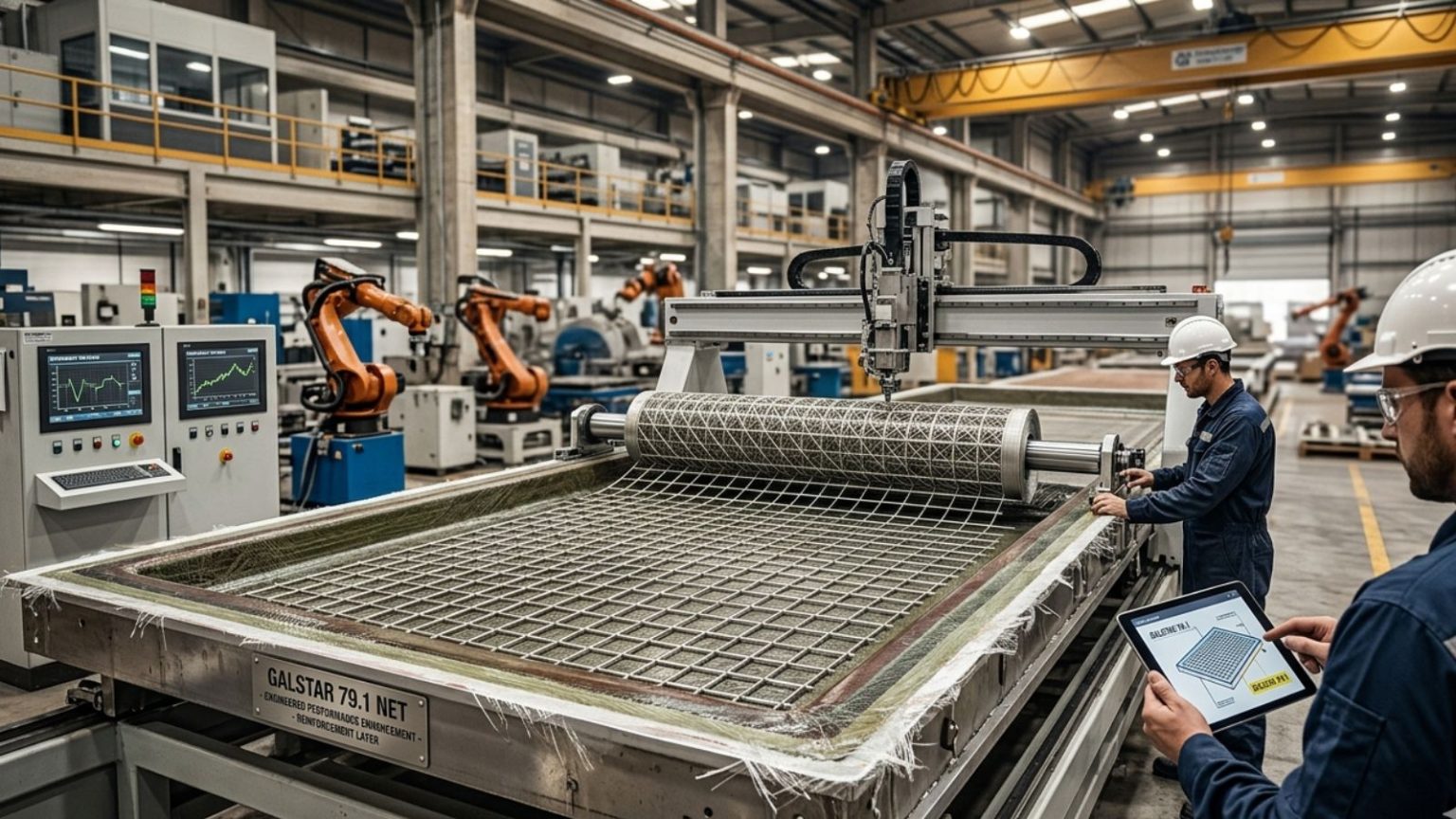
Galstar 79.1 – In today’s rapidly evolving industrial environment, efficiency, durability, and smart material systems are more important than ever. Manufacturers, logistics companies, and engineering sectors are constantly searching for solutions that improve performance while reducing operational costs. One emerging concept that is gaining attention in technical and industrial discussions is Galstar 79.1 Net.
Although not widely documented in mainstream consumer literature, Galstar 79.1 Net is often referenced in industrial contexts as a specialized system or material framework designed to improve structural efficiency, workflow optimization, and resource management.
This guide breaks down what Galstar 79.1 Net represents, its possible applications, its benefits in industrial systems, and why it is becoming an important reference point in modern manufacturing discussions in 2026.
What Is Galstar 79.1 Net?
Galstar 79.1 Net can be understood as an industrial-grade system or engineered material structure used to enhance efficiency in production and operational environments. The “net” aspect typically suggests a framework-based design, which may involve:
- Structural support systems
- Material reinforcement layers
- Industrial mesh or grid frameworks
- Efficiency-based operational networks
While exact standardized definitions may vary depending on context, Galstar 79.1 Net is generally associated with performance optimization in industrial systems.
It is not a consumer product in the traditional sense but rather a technical solution used in engineering and manufacturing environments.
Why Galstar 79.1 Net Matters in Industry
Modern industries face multiple challenges:
- Rising production costs
- Material waste reduction requirements
- Demand for faster manufacturing cycles
- Sustainability regulations
- Supply chain optimization
Systems like Galstar 79.1 Net are designed to address these challenges by improving how materials and processes interact within industrial environments.
Its importance lies in its ability to:
- Improve workflow efficiency
- Strengthen structural integrity
- Reduce operational waste
- Support scalable production systems
In short, it is part of the broader movement toward smart industrial optimization systems.
Key Features of Galstar 79.1 Net
Although detailed specifications may vary, Galstar 79.1 Net systems are typically associated with the following featurs:
1. High Structural Efficiency
The system is designed to distribute load and operational stress evenly, reducing weak points in industrial setups.
2. Lightweight Yet Durable Design
One of its core advantages is combining strength with reduced material weight, improving handling and installation.
3. Modular Framework Integration
Galstar 79.1 Net is often designed in a modular way, allowing it to be adapted across different industrial applications.
4. Energy and Resource Optimization
By improving structural and workflow efficiency, it indirectly contributes to reduced energy consumption and material waste.
5. Industrial Scalability
It can be applied in both small-scale systems and large industrial operations without significant redesign.
Industrial Applications of Galstar 79.1 Net
Galstar 79.1 Net is not limited to a single industry. Its flexible structure makes it useful across multiple sectors.
1. Manufacturing Industry
In manufacturing plants, Galstar 79.1 Net may be used to:
- Support assembly line structures
- Improve machine framework stability
- Enhance production flow systems
This helps reduce downtime and improve output consistency.
2. Logistics and Warehousing
In logistics, efficiency and space utilization are critical. Galstar 79.1 Net can contribute to:
- Storage system optimization
- Load distribution structures
- Transport packaging frameworks
This results in better inventory handling and reduced damage rates.
3. Construction and Engineering
In construction environments, structural reliability is essential. Galstar 79.1 Net may be used for:
- Reinforcement frameworks
- Temporary support structures
- Material efficiency systems
It supports safer and more efficient construction processes.
4. Industrial Automation Systems
Automation systems require stable and adaptable infrastructure. Galstar 79.1 Net can help by:
- Supporting robotic systems
- Improving machine alignment structures
- Enhancing system integration frameworks
5. Energy and Utility Sector
In energy-related industries, system stability and efficiency are crucial. Applications may include:
- Support structures for equipment
- Network-based distribution frameworks
- Efficiency enhancement systems
Benefits of Galstar 79.1 Net in Industrial Use
1. Improved Efficiency
By optimizing structural and operational frameworks, it helps industries achieve higher productivity.
2. Reduced Material Waste
Efficient design leads to better use of raw materials and reduced waste generation.
3. Cost Optimization
Long-term use of efficient systems reduces maintenance and operational costs.
4. Enhanced Durability
Systems built using or supported by Galstar 79.1 Net tend to have improved structural lifespan.
5. Flexible Integration
It can be integrated into existing systems without requiring complete redesigns.
Challenges and Considerations
Despite its benefits, there are also important considerations when dealing with systems like Galstar 79.1 Net:
1. Limited Public Documentation
Technical details may not always be widely available, making verification important.
2. Industry-Specific Usage
Its application may vary significantly depending on the sector.
3. Compatibility Requirements
Not all systems may support integration without adjustments.
4. Technical Expertise Needed
Proper implementation often requires engineering knowledge.
The Role of Galstar 79.1 Net in 2026 Industrial Trends
The year 2026 marks a period where industries are heavily focused on:
- Automation
- Sustainability
- Smart manufacturing
- Digital transformation
Galstar 79.1 Net fits into this trend as a framework-based efficiency solution that supports modern industrial goals.
Its conceptual importance lies in its alignment with:
- Lean manufacturing principles
- Resource optimization strategies
- Modular system design
As industries continue evolving, such systems become increasingly relevant.
Future Potential of Galstar 79.1 Net
Looking ahead, systems like Galstar 79.1 Net may evolve in several ways:
- Integration with AI-driven industrial systems
- Use in smart factory ecosystems
- Enhanced material science applications
- Digital modeling and simulation integration
These advancements could make it even more valuable in future industrial environments.
Final Thoughts
Galstar 79.1 Net represents a modern industrial concept focused on efficiency, structural optimization, and system flexibility. While it may not yet be widely standardized or publicly documented in detail, its conceptual role aligns strongly with the direction of modern manufacturing and engineering.
In 2026, industries are no longer just focused on production—they are focused on smarter, faster, and more sustainable systems. Galstar 79.1 Net fits into this vision as a framework that supports better performance and long-term efficiency.
FAQs About Galstar 79.1
1. What is Galstar 79.1 Net?
Galstar 79.1 Net is an industrial concept or system framework used to improve efficiency, structural stability, and operational performance in various industries.
2. Is Galstar 79.1 Net a product or material?
It is generally considered a technical system or framework rather than a standalone consumer product, often used in industrial applications.
3. Where is Galstar 79.1 Net used?
It may be used in manufacturing, logistics, construction, automation systems, and energy-related industries depending on application needs.
4. What are the main benefits of Galstar 79.1 Net?
Its key benefits include improved efficiency, reduced material waste, cost optimization, and better structural durability.
5. Is Galstar 79.1 Net widely documented?
No, detailed public documentation is limited, and it is primarily referenced in niche industrial and technical discussions.